A Quiet Poison: The Reckless Deployment of Paraquat and the Silent Erosion of Public Consent
Choking the Grassroots, Literally and Politically
In this essay
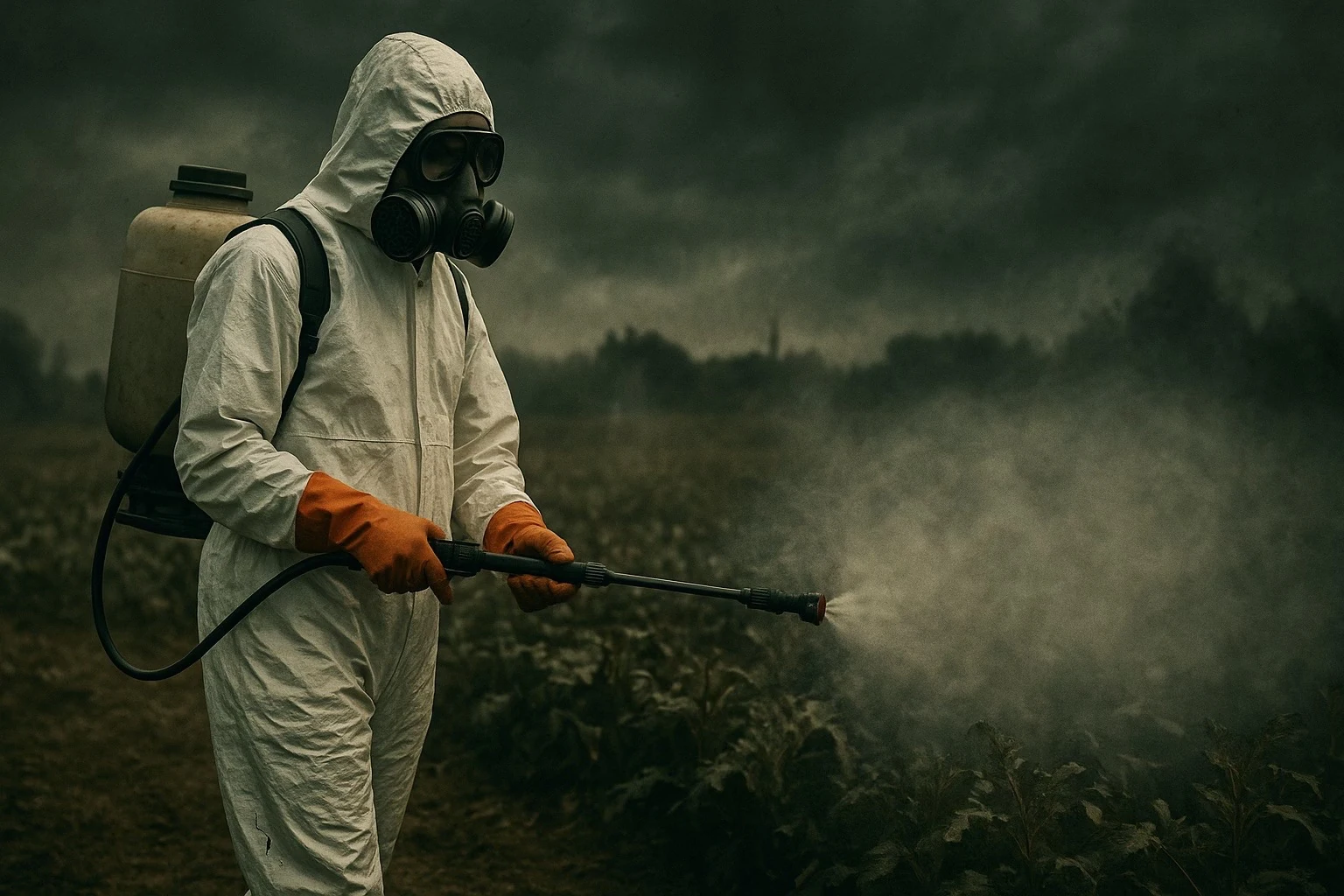
Across the verdant landscapes of our nation—public parks, school grounds, roadside shoulders, and farmlands—a quiet poison permeates our soil, air, and water. Paraquat, scientifically designated N, N′-dimethyl-4,4′-bipyridinium dichloride, and colloquially known as methyl viologen, is classified among the viologens, a family of redox-active heterocyclic compounds. This toxic herbicide, deceptively simple in its chemical composition [(C₆H₇N)₂]Cl₂, has become a disturbingly common presence. Its insidious nature arises not only from its potency but from the troubling secrecy and absence of constitutional consent surrounding its use.
The Hidden Hazards of Paraquat
Paraquat's dangers are profound and unequivocal. As one of the most acutely toxic substances available, a minimal dose can precipitate catastrophic health effects, causing irreversible pulmonary fibrosis, severe neurological damage, fertility and has been strongly linked to increased risks of Parkinson's disease. Its lethality demands extraordinary caution and stringent regulation. Yet, paradoxically, many municipal authorities across the nation apply this hazardous chemical to our common grounds with neither transparent disclosure nor explicit approval from the communities directly affected.
One must rigorously question why municipalities have adopted such opaque practices. The public's right to informed consent has been casually overridden by administrative expediency or, worse, corporate influence. We need only look to the parallel history of Glyphosate, a broad-spectrum systemic herbicide and crop desiccant, an organophosphorus compound notorious for its association with cancer, specifically non-Hodgkin’s lymphoma. Glyphosate, which acts by inhibiting the enzyme 5-enolpyruvylshikimate-3-phosphate synthase crucial for plant growth, has been banned or heavily restricted in numerous regions globally, its once widespread application now a cautionary tale about regulatory negligence and corporate malfeasance.
The Legacy of Glyphosate and Lessons Unheeded
The parallels between Paraquat and Glyphosate are not incidental but indicative of a systemic failure in chemical oversight and public safety protections. Glyphosate's fall from grace occurred precisely because its harmful impacts were initially dismissed or obscured by vested interests. The pervasive usage of Paraquat today suggests a failure to learn from past transgressions, risking similar or graver consequences. This failure is neither accidental nor benign—it represents a blatant abdication of governmental responsibility to safeguard public health and environmental integrity.
Dr. Tenpenny's Eye on the Evidence
Section 453: Chemical Industry’s Coup
This isn’t just a slippery slope—it’s a chemical avalanche…
To tolerate such negligence is to tacitly endorse a dangerous erosion of fundamental constitutional principles: transparency, accountability, and, most crucially, consent. We must issue a fierce and unequivocal rebuke against this reckless disregard for citizen welfare. It is not enough merely to critique; we must propose actionable remedies, clear steps toward restoring our rights and safeguarding our environment.
Solutions for Restoring Public Consent and Safety:
Immediate Moratorium: Enact a nationwide cessation of Paraquat's use until comprehensive independent evaluations are conducted.
Constitutional Consent: Legally require explicit public approval through representative processes for the use of any potentially harmful chemical agents.
Transparency Mandates: Mandate municipalities and authorities to disclose detailed information about chemical treatments—locations, schedules, and full chemical profiles—to the public.
Citizen Oversight Committees: Establish independent committees comprising scientists, health officials, and community representatives to oversee chemical usage decisions.
Legal Recourse: Provide communities with clear legal avenues to challenge unauthorized or harmful chemical applications.
Final Thoughts
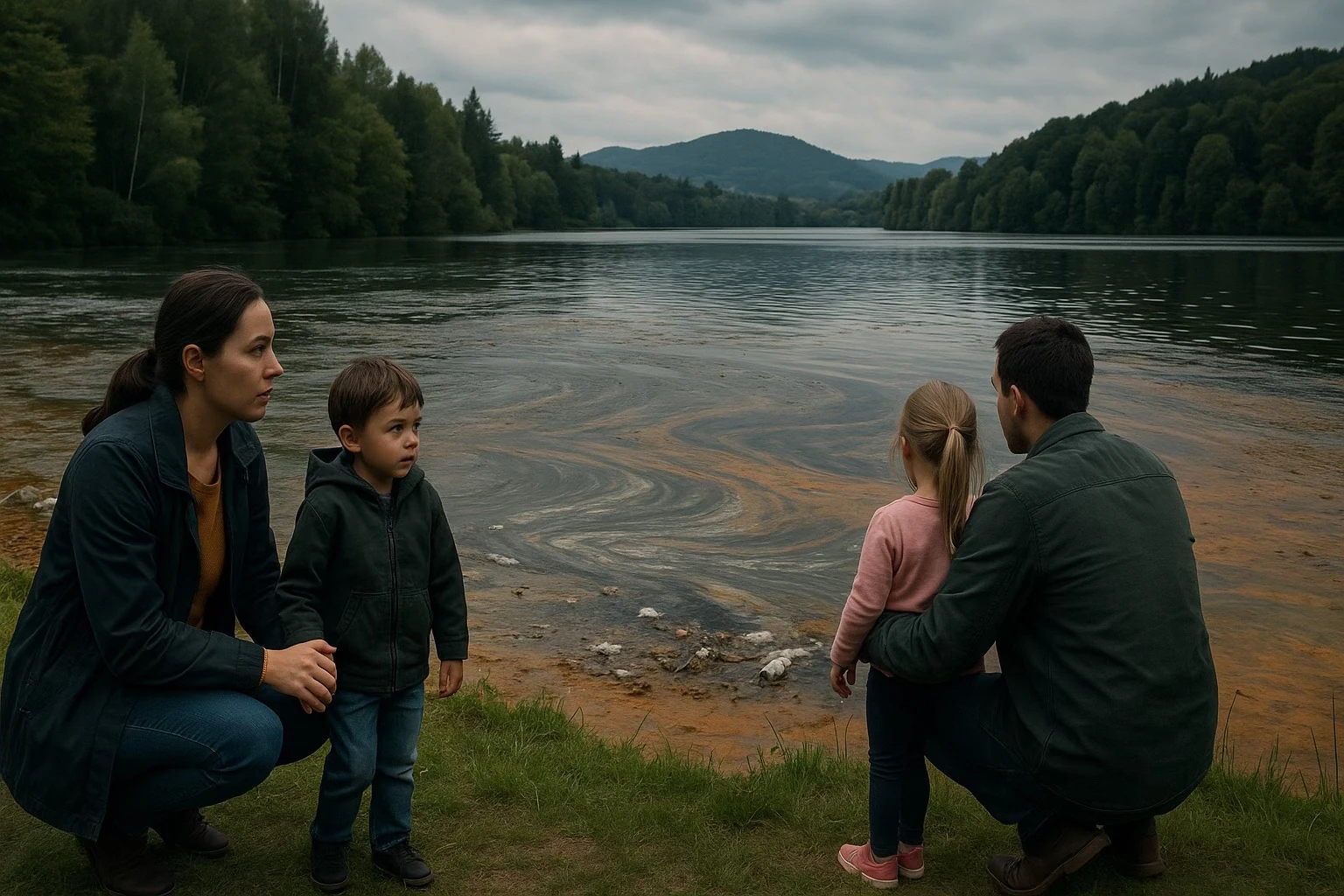
The unchecked use of Paraquat represents a serious and immediate threat to both human health and the foundational principles of local governance. Municipal authority must be exercised with accountability to the people it serves, grounded in full transparency and community engagement. We have a responsibility to challenge the normalization of toxic exposure in public spaces. This pattern must end—not through apathy or resignation, but through informed advocacy, community oversight, and a commitment to protect both our environment and our constitutional order.
“A long habit of not thinking a thing wrong, gives it a superficial appearance of being right, and raises at first a formidable outcry in defense of custom. But the tumult soon subsides. Time makes more converts than reason.”
― Thomas Paine, Common Sense
Citizens Rule Book: A Palladium of Liberty (Hardcopies) 🇺🇸
Keywords
First published July 26, 2025. Originally published in Liberty or Deathwire.