
At the Crossroads of Hemlock and Harmony: The Case for the Electoral College
Lessons on Republicanism Gained From Socratic Athens
To the Enlightened Citizens of the Digital Era,
It is my earnest hope that readers find not only knowledge but introspection. The arc of human progression is fraught with intricacies and nuances, often obscured by the seductive simplicity of one-dimensional thought. It is a path, once taken, that leads to the gates of hurried judgments and impassioned errors.
Time, that ever-flowing river, provides each of us moments of tranquility; moments wherein the outside world, with its cacophony and clamor, fades into the periphery. It is within these still waters of solitude that our deepest reflections arise, illuminating the vast landscape of our thoughts. As inheritors of the great American experiment, we possess the onerous responsibility to shield this endeavor from the gusts of external persuasion and covert influences. There exists today, as there always has, a cadre of entities, shrouded in globalist ambitions, seeking to puncture and deflate the resilient American spirit.
Yet, the antidote to their machinations is neither complex nor distant. It lies within each of us. Taking time for oneself, engaging in introspective journeys, and allowing the wisdom of contemplation to simmer and mature, grants us the clarity to discern the shadows from the substance. An informed and reflective citizenry, immune to the allure of surface-level thinking, is the bulwark against the tumultuous tides seeking to erode our nation's foundations.
It is my humble plea that, as you scroll further, you not only absorb the narratives but also heed the timeless call to self-reflection. For in safeguarding oneself from precipitous judgments, we collectively shield our beloved Republic from forces intent on its dissolution.
In the spirit of Liberty and Vigilance,
-Andrew B. Raupp
Citizens Rule Book: A Palladium of Liberty (Free Download) #InfoWars 🇺🇸
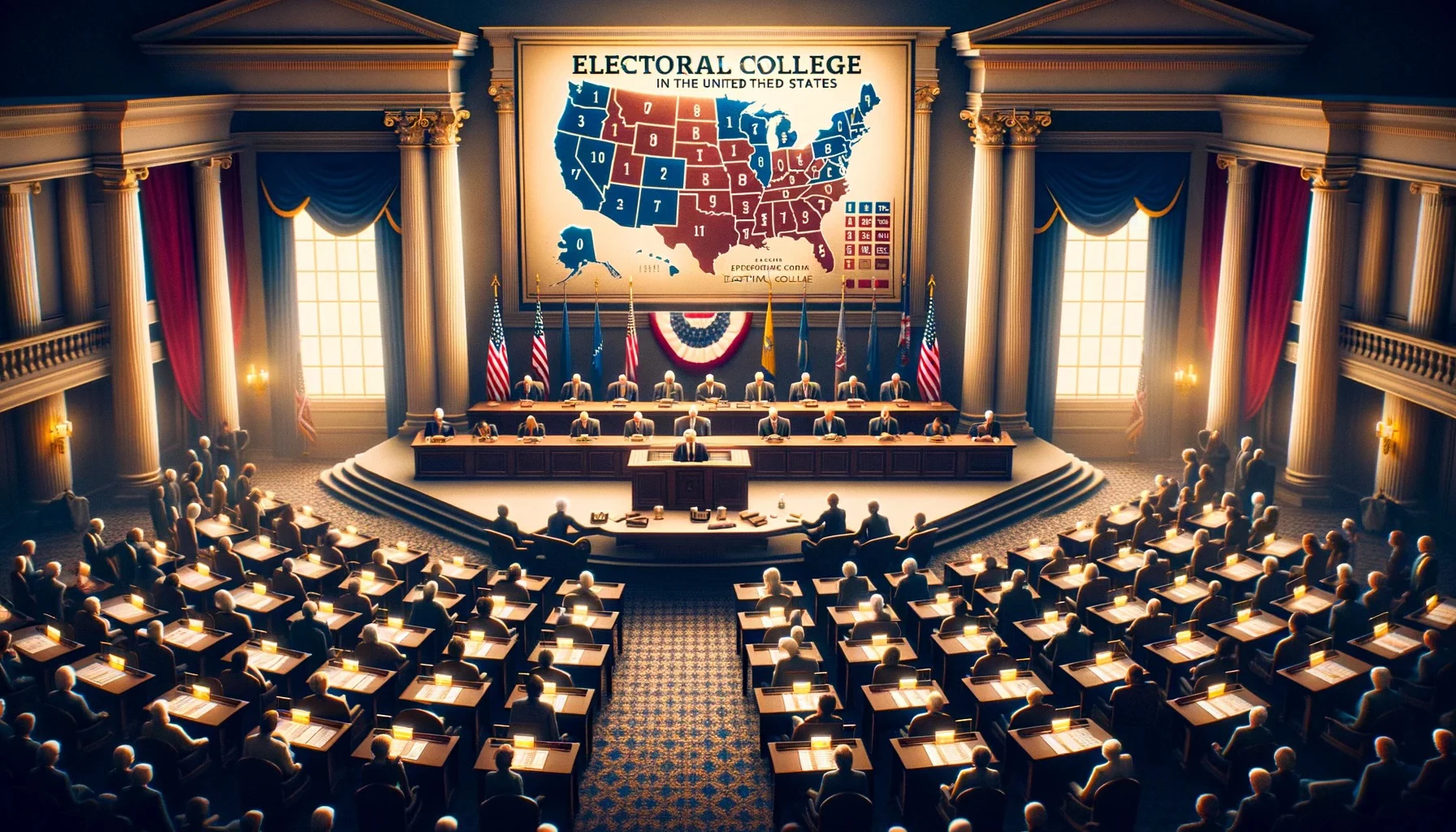
In the grand theater of human progression, where societies aspire to polish their governance, an alluring but perilous dream often emerges: the utopian vision of a democracy unbridled and unchecked. Presently, many, seduced by the tantalizing simplicity of this vision, call for the dismantling of the Electoral College. But as we stand on the precipice of such a transformative decision, the annals of history whisper tales of caution, and the collective wisdom of antiquity implores us to tread with discernment.
Delve, for a moment, into the labyrinthine streets of ancient Athens, that great citadel of democratic thought. It was here that Socrates, the philosopher of unwavering inquiry, ventured to dissect the very fabric of democracy. Through his dialogues, he wove a tapestry of questions, challenging the bedrock of Athenian culture and the sanctity of its deities. To the many, it appeared as if he sought to erode the foundational values of the polis.
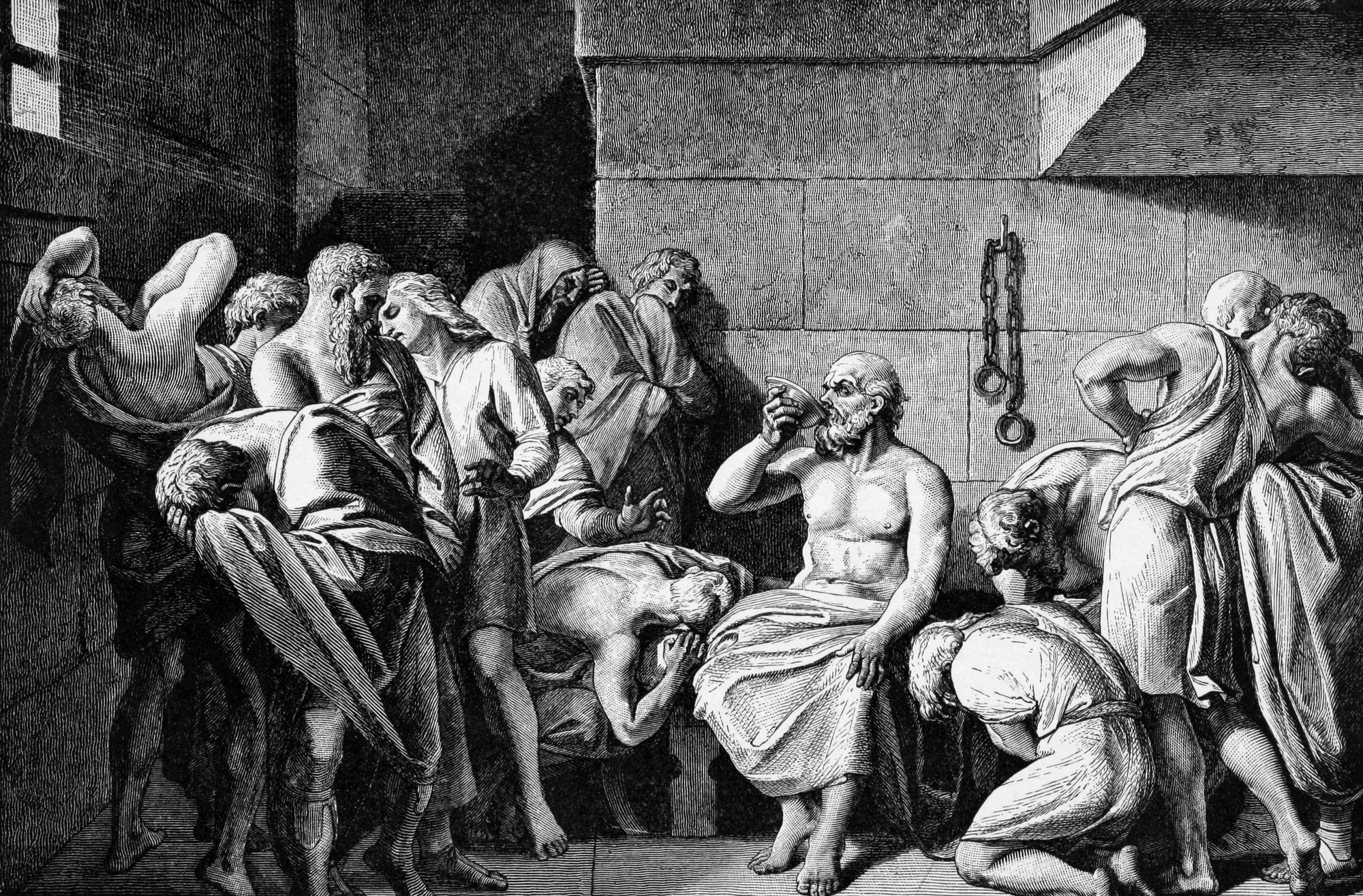
The Athens of Socrates' era was a cauldron of political unrest. Having stood shoulder to shoulder with Sparta against the Persian onslaught, Athens later found herself embroiled in a bitter struggle against the very same ally. Her defeat was devastating, and the subsequent Spartan-imposed oligarchy loomed over the city-state. It was during this period that Socrates, by virtue of associations, found himself in a favorable light. Yet, as the winds of time shifted and democracy was restored, he stood vulnerable. His relentless interrogation of Athenian norms, juxtaposed against this tumultuous backdrop, painted him as an antagonist. His poetic depiction of himself as a gadfly, essential to the wakefulness of the Athenian steed, went tragically unheeded. The impassioned rhetoric of the city's influential figures had cast a shadow over the populace, leading to Socrates' indictment and eventual demise by the bitter drink of hemlock.
This Athenian tale serves not as a mere historical reflection but as a mirror to our present dilemma. For while we must avoid the trappings of an unchecked democracy, we equally eschew the chains of oligarchy and aristocracy. The golden mean lies in measured governance, ensuring that the zeal of pure democracy does not override the voices of the few. Herein lies the genius of the Electoral College. It is the beacon that ensures every state, irrespective of its stature, shines its light in the selection of our nation's helmsman, preventing a cacophony from drowning out the harmonious symphony of the nation.
We stand at a crossroads, beckoned by the siren call of oversimplification. The belief that unmoderated democratic fervor will, in its raw form, yield benevolent outcomes is an illusion. Such a belief is blind to the tragic end of Socrates, whose fate was molded by a society swayed by the orchestration of its orators. It overlooks the brilliance of our republic's architects, who, with deft hands, crafted a framework underpinned by the Constitution, safeguarding every voice, especially those singing a different tune.
To challenge the Electoral College is not merely to question a mechanism; it is to risk the essence of our storied American endeavor. In this defining moment, may we, fortified by the lessons of yesteryears and guided by the prudence of our forefathers, reaffirm our commitment to the foundational pillars of our republic. Let us champion our unparalleled form of government both vibrant and balanced, embodying the very soul of the American spirit.
Citizens Rule Book: A Palladium of Liberty (Hardcopies) 🇺🇸
Keywords
First published September 28, 2023. Originally published in Liberty or Deathwire.