Orwell’s America
Can the American Experiment Survive the Digital Age?
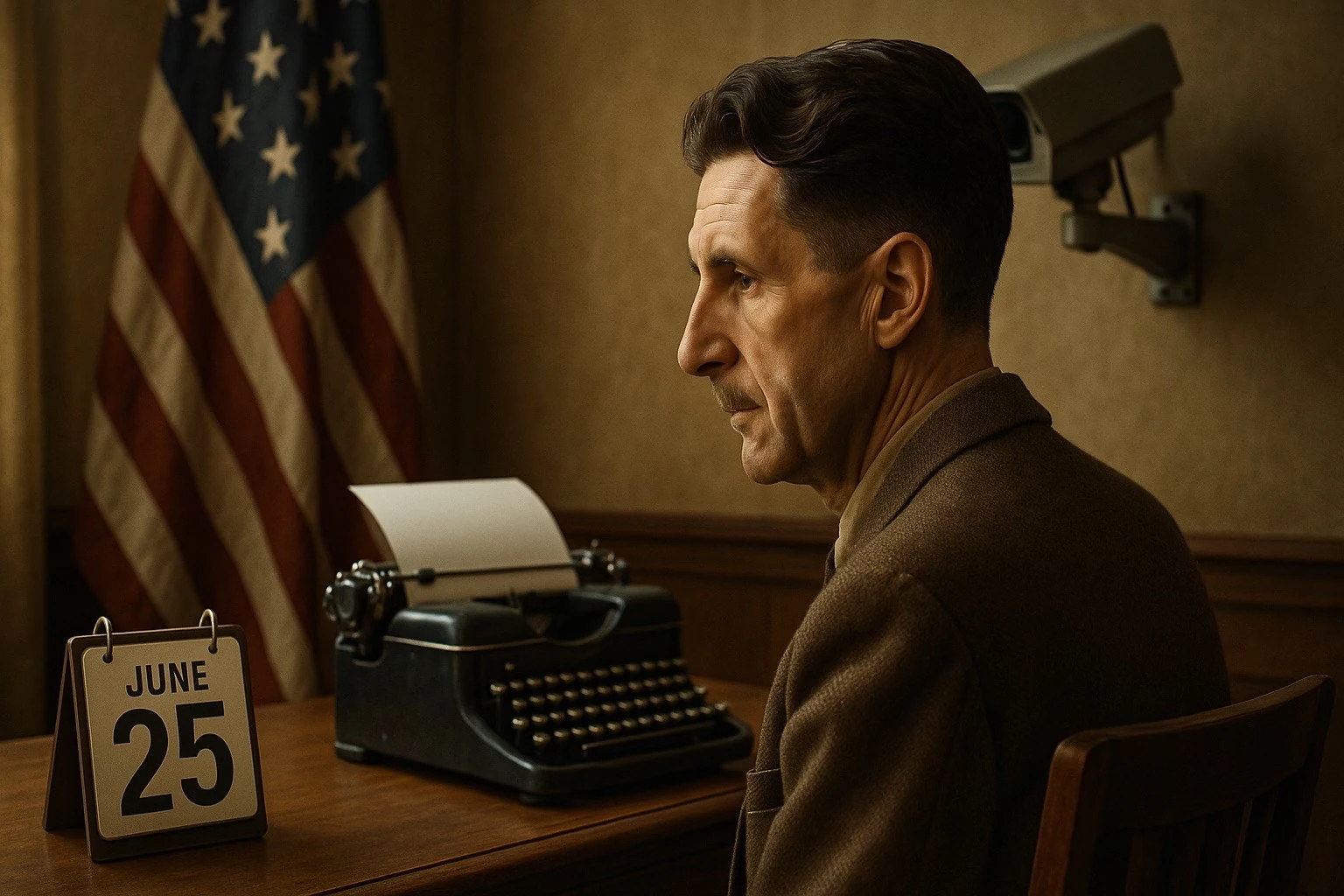
“Freedom is the right to tell people what they do not want to hear.” -George Orwell
On this day, June 25, the anniversary of George Orwell’s birth, we pause to reflect on a freethinker whose warnings ring with unsettling clarity through the corridors of the 21st century. Orwell, born Eric Arthur Blair in 1903, meticulously chronicled the anatomy of authoritarianism and its insidious infiltration into the marrow of free societies. His seminal works, notably "1984" and "Animal Farm," serve as prophetic blueprints, cautionary tales that eerily prefigure the technocratic encroachment upon personal liberties we witness today.
Orwell's dystopian visions, once perceived as exaggerated allegories, now resonate profoundly against the backdrop of modern-day surveillance capitalism, algorithm-driven social controls, and the quiet erosion of individual autonomy in the name of efficiency, safety, and progress. What Orwell foresaw was not simply an all-powerful government imposing overt terror, but rather a subtle, pervasive system—Big Brother—constructed from the benign-seeming threads of convenience, connectivity, and the allure of technological advancement.
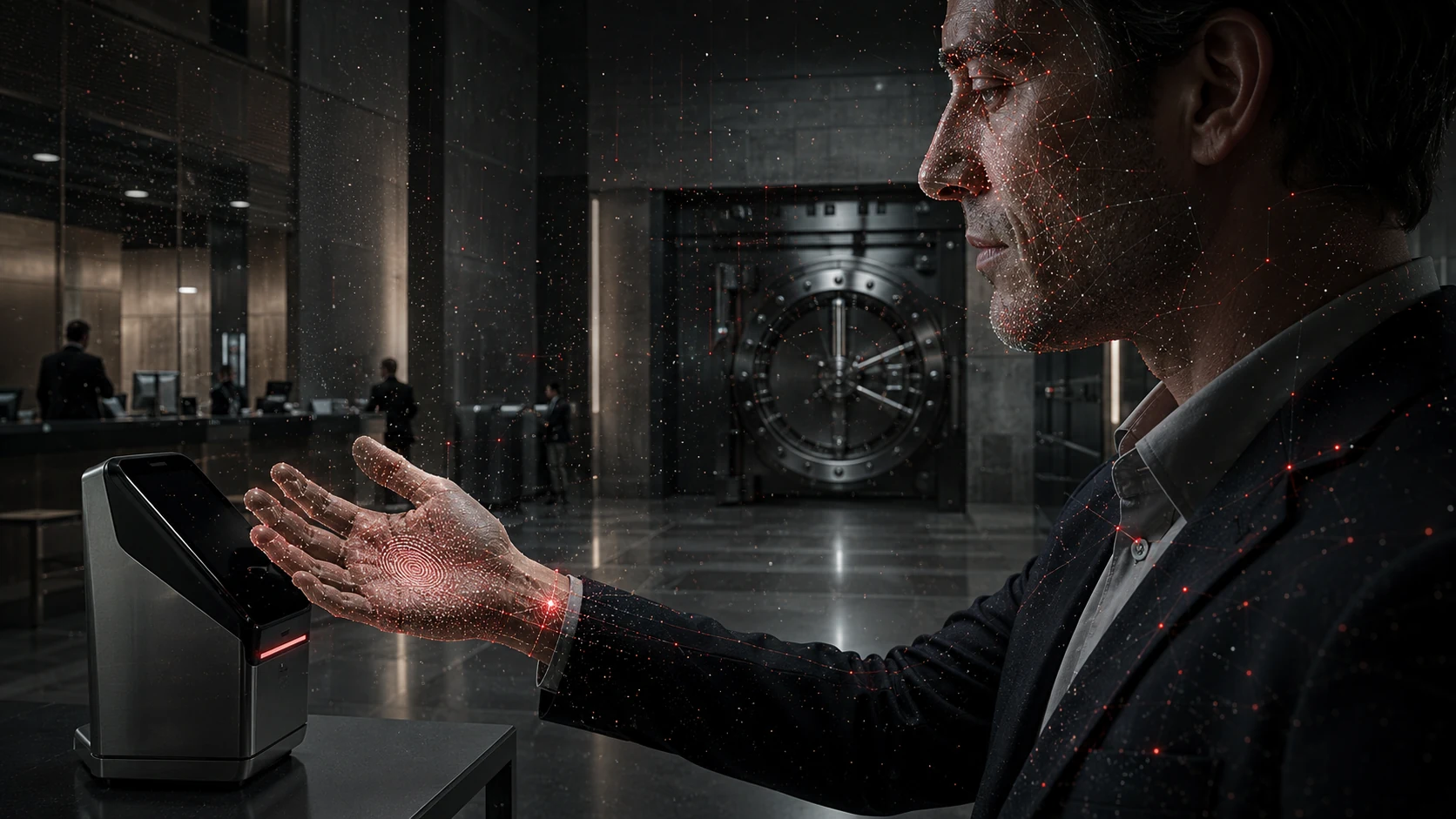
Today’s Big Brother does not just manifest in overt surveillance cameras, but through devices willingly welcomed into our homes, pockets, and even bodies. Data harvesting, facial recognition, AI-driven decision-making systems, and pervasive monitoring software form a mosaic Orwell would instantly recognize—a society where privacy is treated as an obsolete luxury and conformity is subtly enforced through digital ostracism or economic disenfranchisement.
The technocratic class, a contemporary echo of Orwell’s Inner Party, consolidates power through centralized control of information, science, and technology, diminishing democratic accountability under the guise of expertise and crisis management. Orwell warned of precisely such a scenario, where language itself is distorted into doublespeak, muddying public discourse and obscuring the true nature of policies that favor elite agendas at the expense of individual freedoms.
Yet, as we honor Orwell's legacy, we must not merely lament but also critically engage. Is it too late to preserve the principles at the heart of the American Experiment? Are we already too enmeshed within the digital embrace of Big Brother to reclaim our foundational liberties?
Orwell’s enduring message calls for vigilance, active skepticism, and robust defense of transparency, accountability, and individual autonomy. He implores us to read, question, and resist—to recognize that the preservation of freedom requires perpetual scrutiny and civic courage.
On this anniversary, Orwell’s insights remind us that the trajectory toward technocratic control is neither inevitable nor irreversible. Whether it is too late or not depends entirely upon our collective willingness to confront the subtle chains woven around us. The American Experiment, founded upon ideals of liberty, individual dignity, and governmental restraint, need not surrender quietly to the technocratic tide.
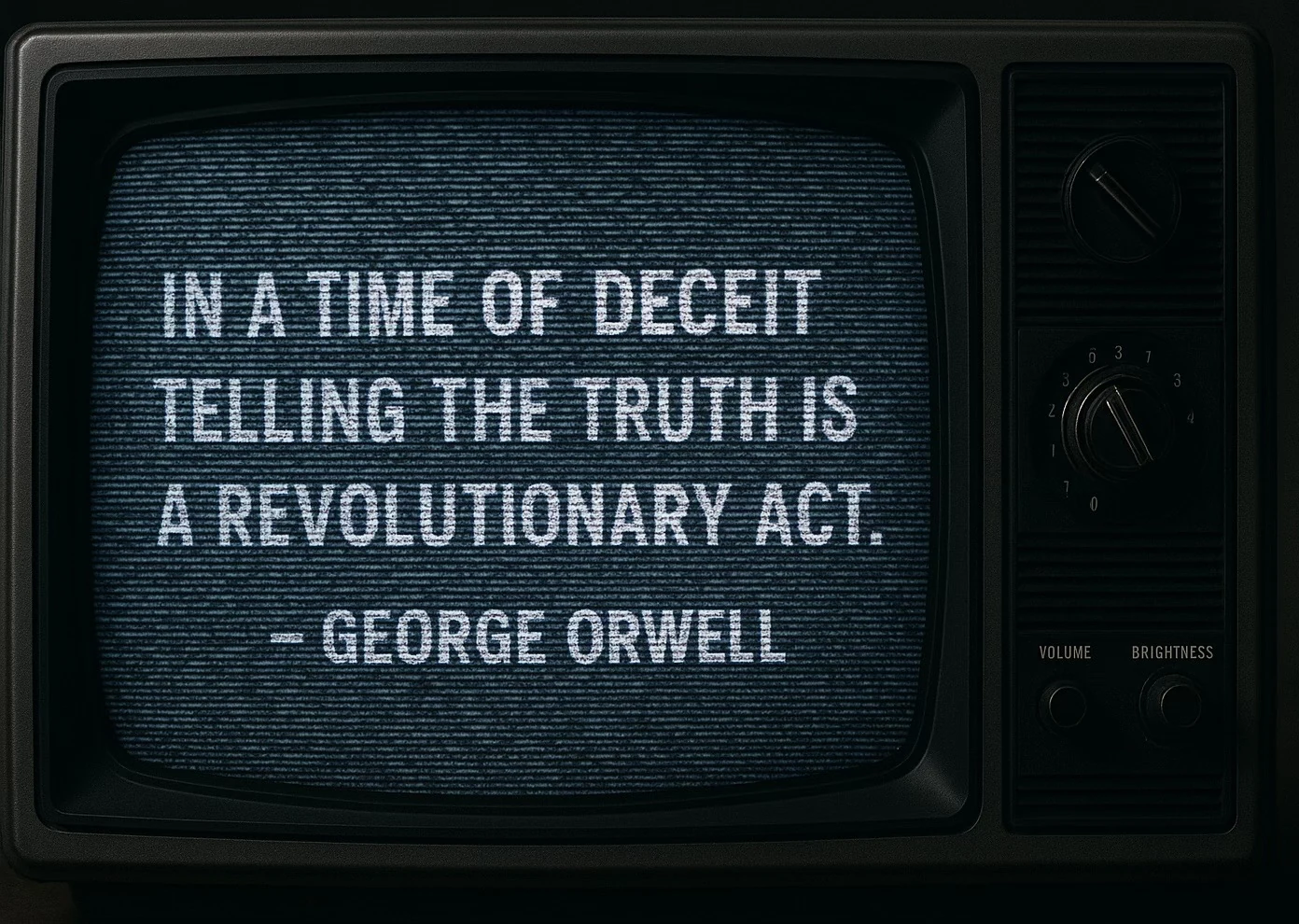
In rereading Orwell today, we find not just cautionary narratives, but urgent invitations to awaken from complacency. The path forward requires a collective resolve to safeguard democratic principles from technocratic excess, honoring Orwell's timeless legacy through renewed vigilance and action.
Citizens Rule Book: A Palladium of Liberty (Hardcopies) 🇺🇸
Keywords
First published June 26, 2025. Originally published in Liberty or Deathwire.