From Code to Crops: Sowing the Seeds of STEM Education Locally with America’s Farmers
Exploring the Agrarian Roots of Science, Technology, Engineering & Mathematics Education
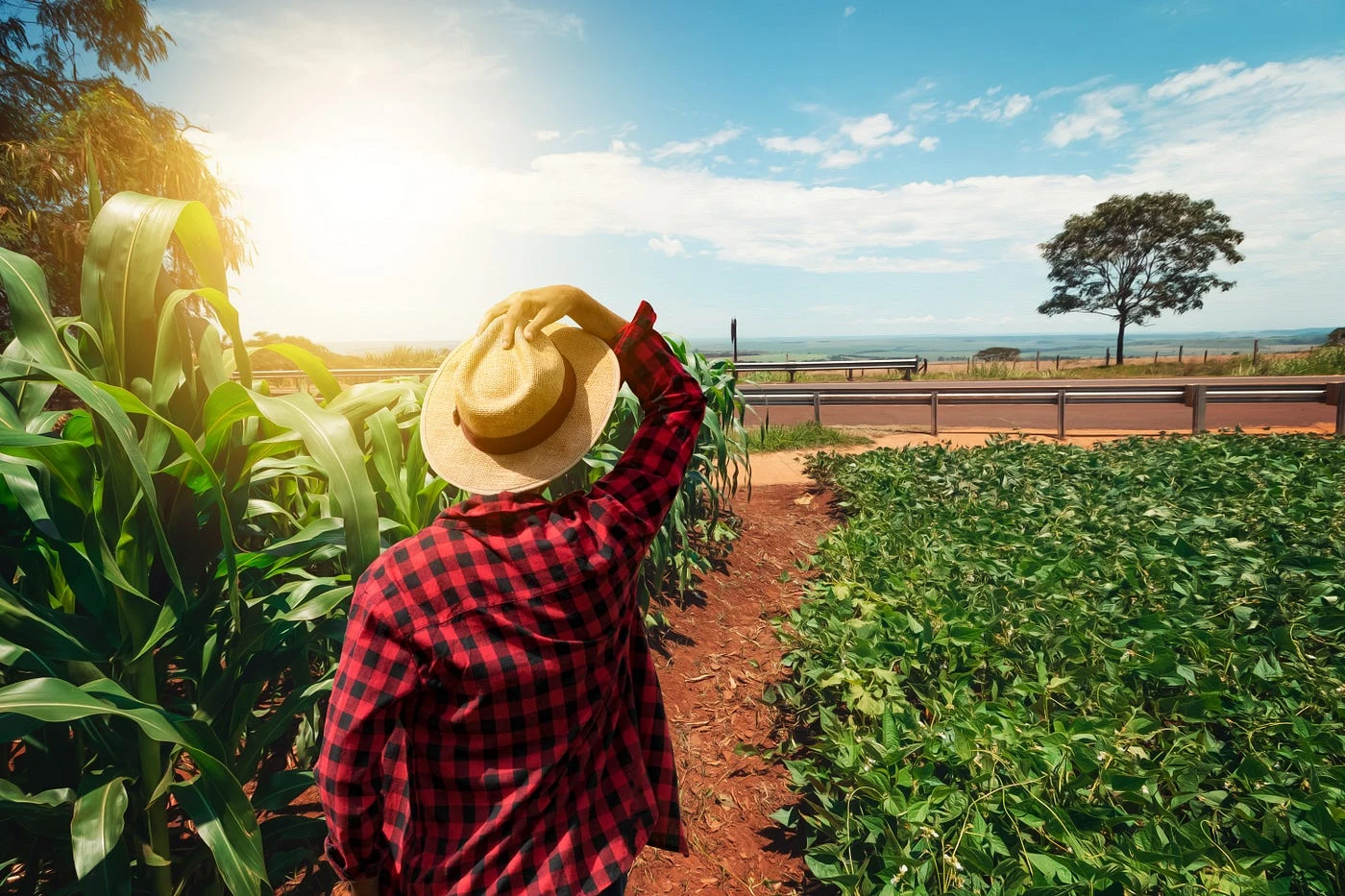
In the shifting gears of the 21st century, the push for science, technology, engineering, and mathematics (STEM) education has evolved into a global phenomenon. With an increasing tilt towards technocracy, the world is witnessing a race to turn every student into a technological prodigy, often overshadowing an essential element of our existence — the natural world around us. Paradoxically, within this maelstrom of extreme modernity, the American farmer — an often-unacknowledged stalwart — possesses a potential to exert a profound influence on the trajectory of the global STEM education movement.
STEM Education’s Lost Decade And Tenor
Comprehending the magnitude of this influence necessitates an in-depth examination of the inexorable trend steering us towards an unsustainable technocratic future. The incessant centralization of power, coupled with an insidious proliferation of corruption within our institutions, is engendering an endemic vulnerability and crafting a future fraught with uncertainties. The integrity of a healthy society hinges on a balanced power dynamic, a role that can be admirably fulfilled by the American farmer. A reconnection with our agrarian origins offers us an opportunity to rekindle a world characterized by a tapestry of diversity, robust resilience, and sustainable innovation.
Agriculture, the cradle of human civilization, is a rich wellspring of experiential learning and tangible problem-solving skills. Amidst a landscape of formidable social and environmental challenges, it becomes incumbent upon us to reconceptualize agriculture as a fundamental cornerstone of STEM education. This necessitates the active involvement of our policymakers in advocating for academic institutions to forge symbiotic relationships with local farmers and embrace the agrarian sciences as a central facet of their curricula.
This liaison between schools and farms transcends mere pedagogical innovations; it illuminates a pathway of hope amidst the burgeoning wave of mental health issues afflicting our student populace. Empirical evidence underscores the therapeutic potential of horticulture on human mental health. By implementing horticultural therapy programs in partnership with local farmers, schools can offer a tactile and nurturing environment conducive to holistic student development. The lessons imbibed in the agrarian setting — embodying patience, nurturing, and the interwoven fabric of life — serve to cultivate qualities of resilience, empathy, and psychological well-being.
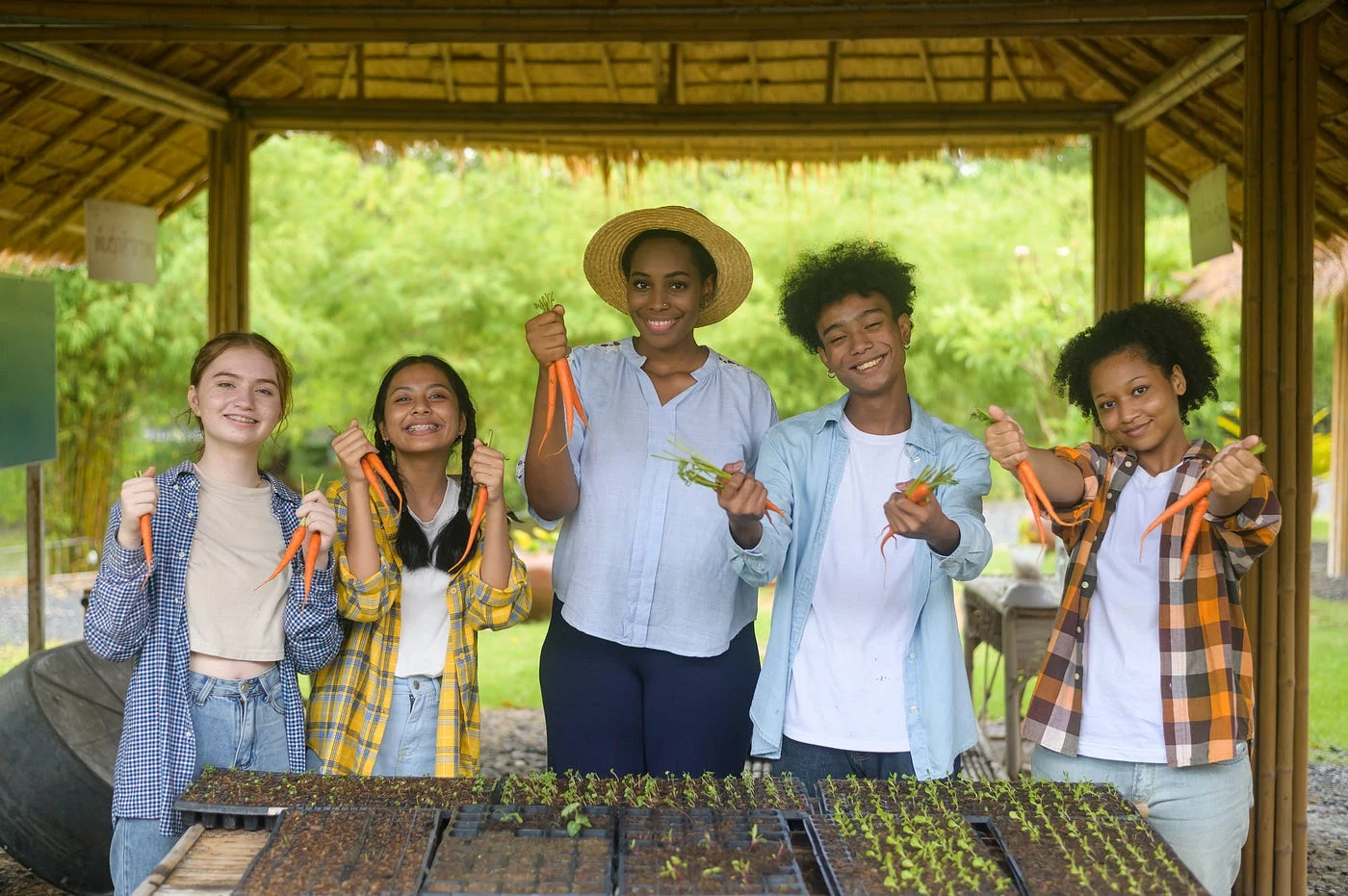
Moreover, these programs aren’t solely beneficial for the students’ minds — they cater to their bodies as well. Time spent in farming environments contributes to physical fitness, a much-needed escape from the sedentary lifestyle engendered by screen-dominant learning. Farm-based learning is a testament to our intrinsic need to interact with nature, to get our hands dirty, and to revel in the joy of creation — off screens and outside traditional classrooms.
Returning to the roots, the model of community-based, farm-centric education embodies an antidote to the over-concentration of resources and the problems it engenders. It recognizes the role of farmers as educators and custodians of our natural heritage. This model also ensures the decentralization of resources and knowledge, enabling communities to become self-reliant and resilient.
Understanding STEM Education’s Scions, Offshoots And Nodes
Examined through this lens, the significance of the American farmer and agriculture radiates beyond their fundamental role in provisioning our sustenance. Their influence permeates our educational institutions, moulding the intellectual development of future engineers, scientists, and technologists. Their alliance with schools has the potential to transform the discourse around STEM education, engendering a more integrative, grounded approach, acutely responsive to the sustainability exigencies of our era.
Indeed, the digital epoch necessitates digital fluency; however, it simultaneously underscores the need for a fundamental understanding of our planet and its life-sustaining systems — a wisdom that agriculture inherently provides. As we nourish the intellect of our younger generation, it is imperative we also plant the seeds of our ancestral heritage. In the fusion of the silicon microchip and the fertile earth, we may unearth the blueprint for a more equilibrated and resilient future. As we stride forth into this prospective future, it is crucial we retain a firm grasp of our roots, inexorably intertwined with the legacy of the American farmer and agriculture.
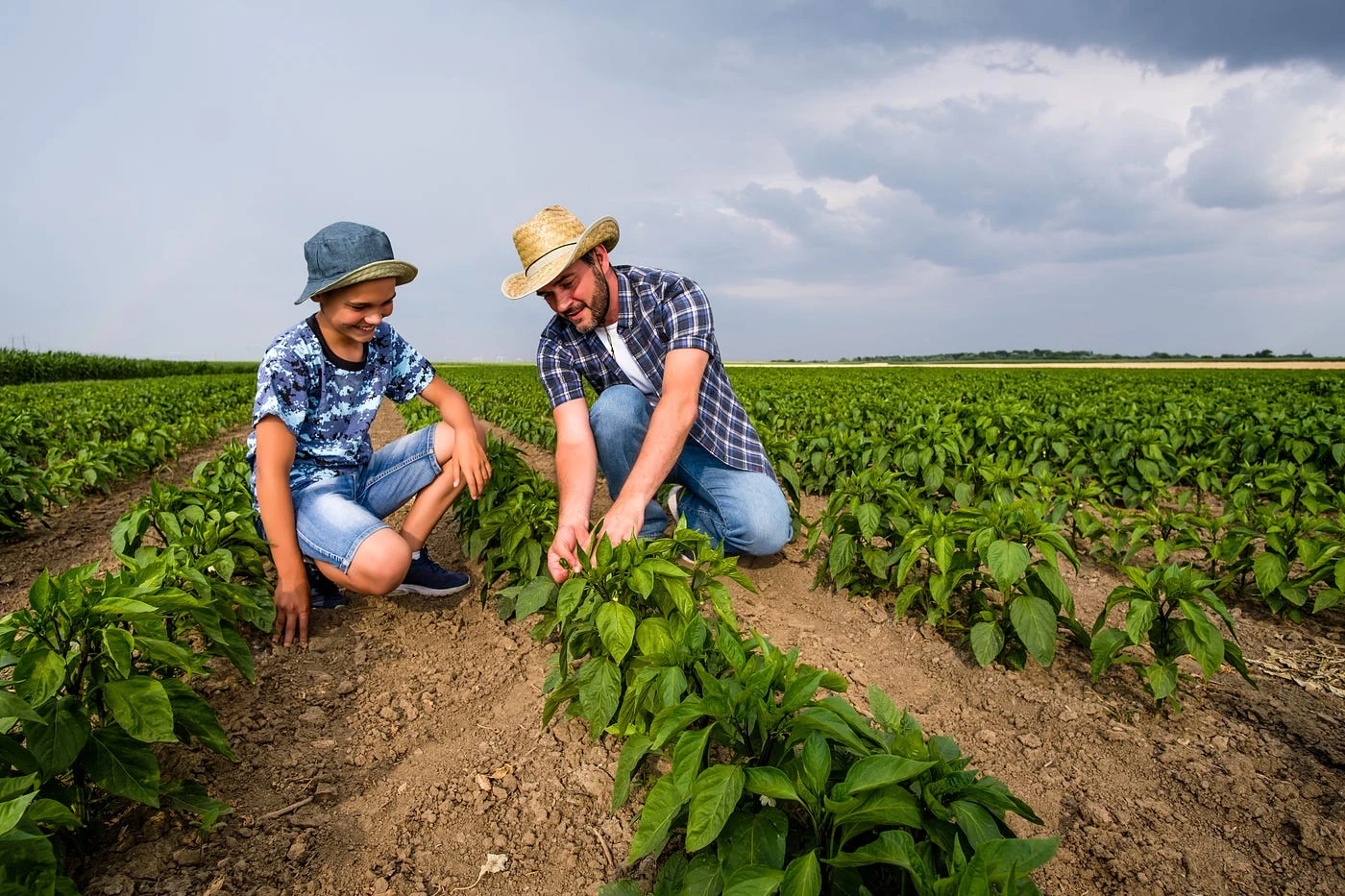
Andrew B. Raupp is the Founder / Executive Director @stemdotorg. “Democratizing science, technology, engineering and math (STEM) education through sound policy & practice…”
Keywords
First published June 20, 2023. Original publication