The Hidden Cost of UFO Narratives: Threatening STEM Progress and Drone Access
Are UAVs Being Used to Undermine Innovation and STEM Education?
In this essay +
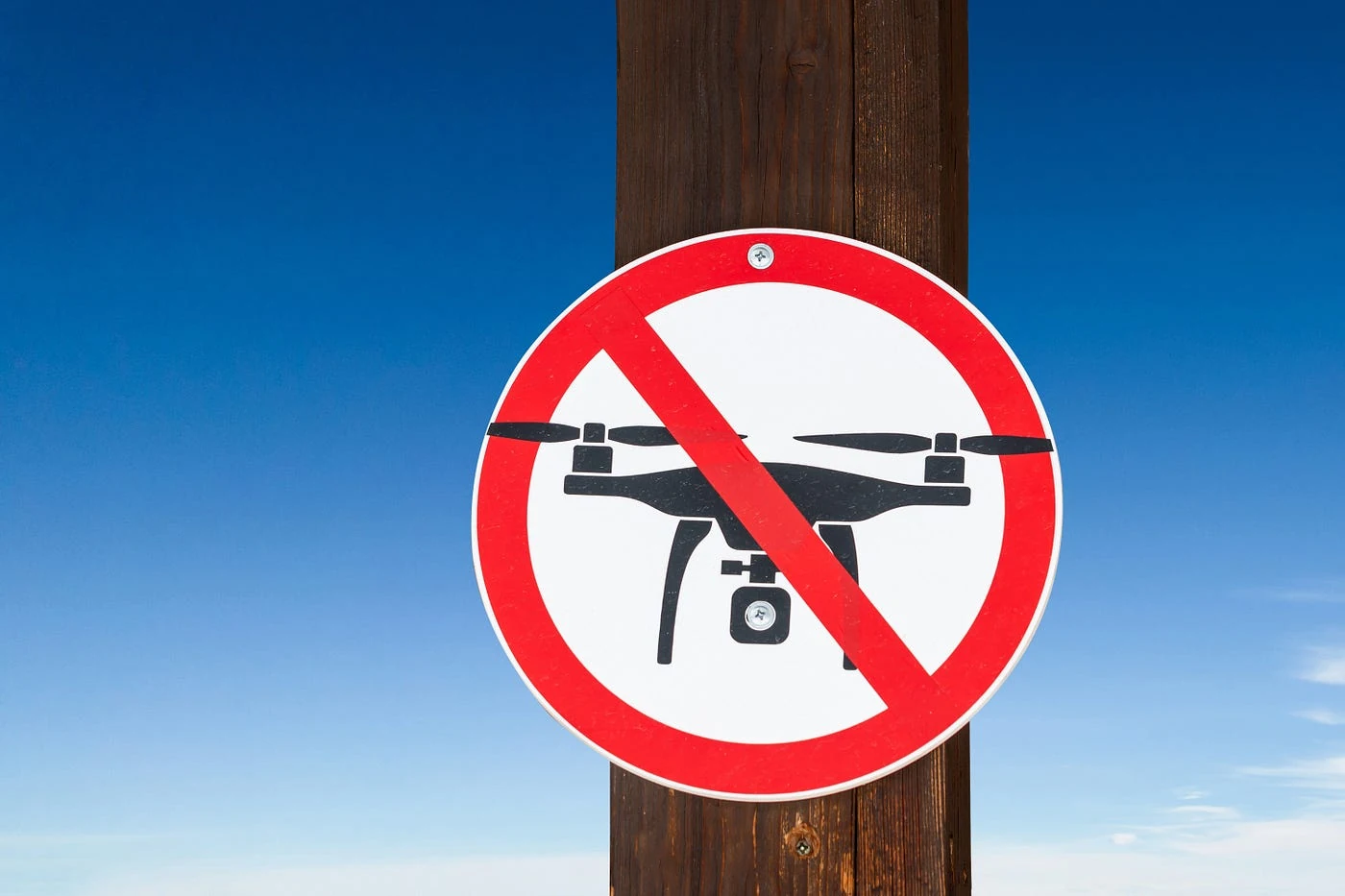
Recent revelations about unidentified flying objects (UFOs) have sparked widespread curiosity and debate. However, a closer examination suggests that these disclosures might be part of a strategic narrative aimed at advancing an agenda. Governments, in collaboration with multinational corporations and non-governmental organizations (NGOs), may be leveraging UFOs as a pretext to introduce stringent drone regulations. Such measures could undermine small businesses, limit innovation, threaten national security, and harm STEM (Science, Technology, Engineering, and Mathematics) education initiatives. Additionally, some speculate that these UFO sightings could be used as a premise to initiate a false Continuity of Government operation, potentially disrupting the peaceful transition of governmental power.
Understanding the Drone Economy
Drones, or unmanned aerial vehicles (UAVs), have become indispensable across various sectors, from agriculture and logistics to defense and entertainment. These devices fall into four primary categories:
- Recreational Drones: Used for personal enjoyment, including photography and videography.
- Commercial Drones: Deployed in industries for tasks such as surveying, delivery, and infrastructure inspections.
- Military Drones: High-tech UAVs designed for reconnaissance, surveillance, and combat operations.
- Research Drones: Essential tools for scientific exploration, environmental monitoring, and disaster response.
In the United States, the Federal Aviation Administration (FAA) governs drone use. Recreational drones over 0.55 pounds must be registered, and commercial operators are required to hold a Part 107 Remote Pilot Certificate. These regulations have facilitated a thriving drone economy, empowering small businesses and fostering STEM learning opportunities. However, this growing sector is now under threat from proposed regulatory changes that could upend this ecosystem.
The drone economy is not merely an industry; it is a catalyst for innovation across multiple domains. From precision agriculture — where UAVs enable farmers to monitor crop health and optimize yields — to public safety applications like search-and-rescue operations, drones have demonstrated their transformative potential. Start-ups and small businesses, in particular, have harnessed this technology to carve out niche markets, driving economic growth and fostering technological advancements. This ecosystem thrives on accessibility and innovation, attributes that restrictive policies could stifle.
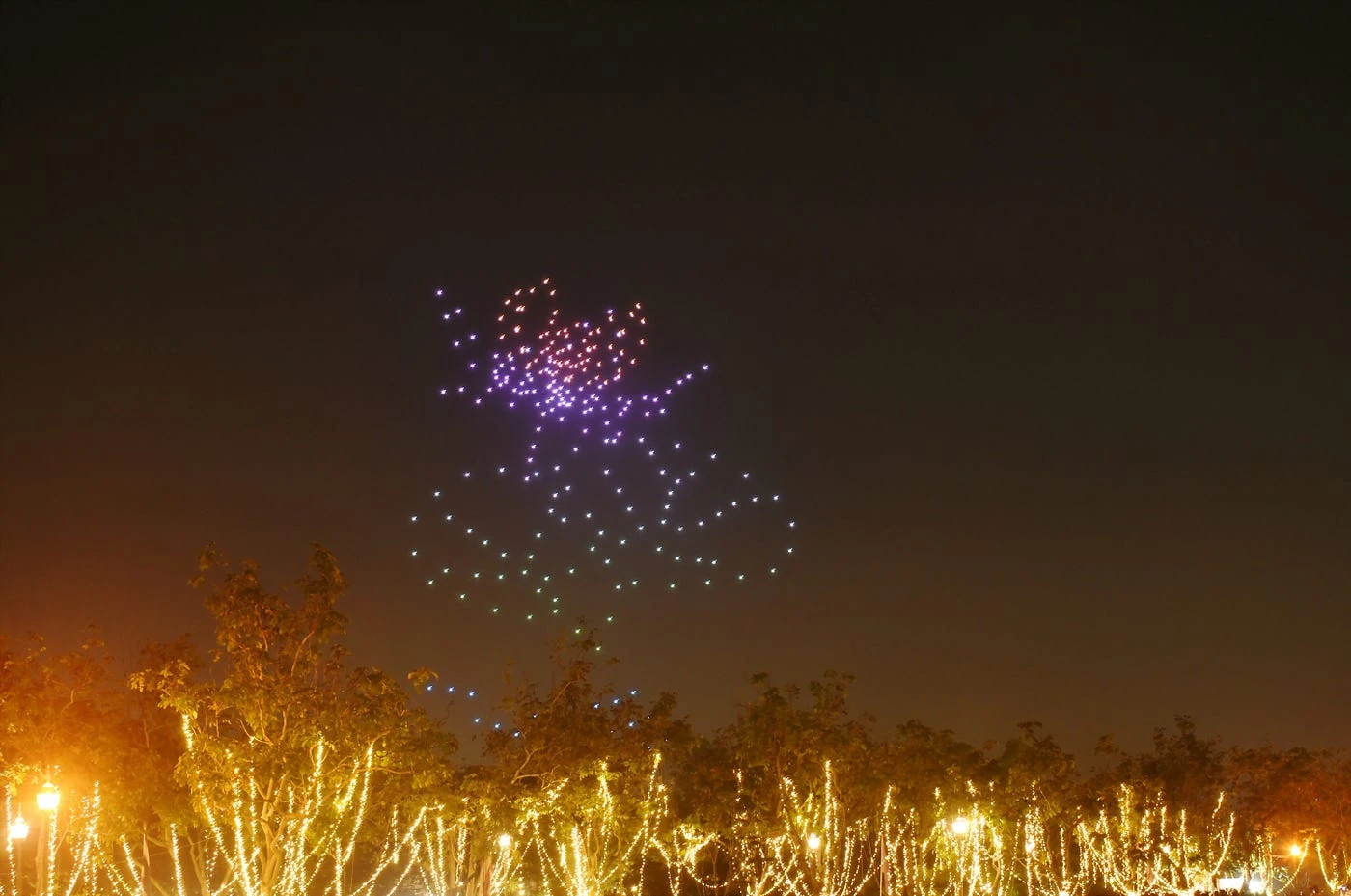
The potential of drones extends far beyond traditional industries. In healthcare, UAVs are being used to deliver critical medical supplies to remote areas, saving lives in emergencies. In conservation, drones provide invaluable data for monitoring endangered species and combating illegal poaching. These applications demonstrate the versatility of drones and underscore their importance as a tool for addressing some of the world’s most pressing challenges. Limiting access to this technology through overregulation could hinder progress across these vital areas.
Drones as a STEM Education Catalyst
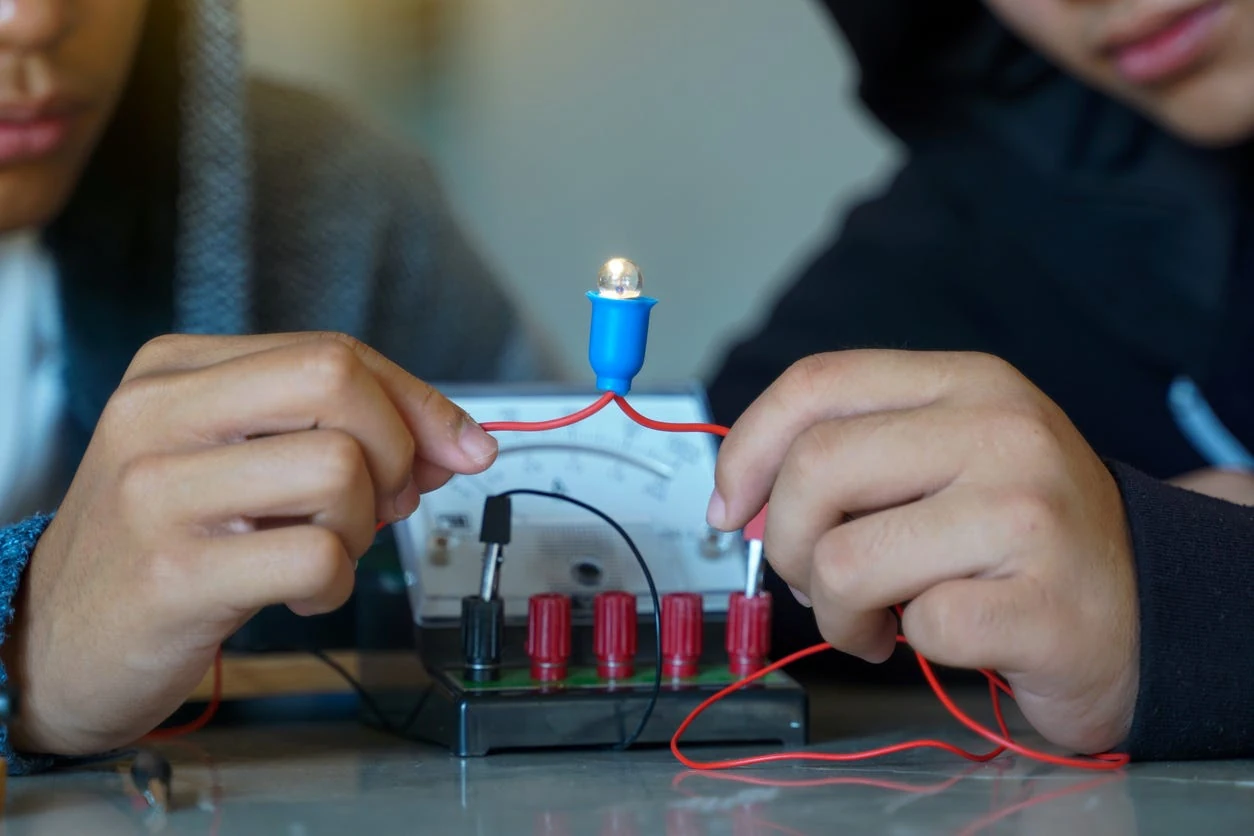
Drones are powerful tools for advancing STEM education. They provide hands-on learning experiences in coding, electronics, aerodynamics, and systems engineering. Operating drones also develops critical skills such as spatial reasoning, problem-solving, and collaboration.
Understanding STEM Education’s Scions, Offshoots And Nodes
Educational institutions and STEM programs have embraced drones to inspire future innovators and equip students with the technical skills required in high-demand fields. As the need for proficient drone technicians and operators grows, integrating UAV technology into STEM curricula is crucial to preparing a workforce capable of sustaining American leadership in a competitive global economy.
Programs such as drone clubs, competitions, and workshops have proven effective in engaging students and fostering a culture of innovation. These activities encourage experimentation, collaboration, and real-world problem-solving, aligning closely with the principles of experiential learning. Moreover, drones have been integrated into research projects at both the undergraduate and graduate levels, allowing students to contribute to advancements in fields ranging from environmental science to robotics. Removing these opportunities through restrictive regulations would have long-term consequences for the nation’s STEM pipeline.
Meet the Entrepreneurs Bringing Drones to STEM Education
Beyond education, drones are instrumental in building a pipeline of future leaders who are adept at leveraging emerging technologies. These individuals will play pivotal roles in industries that rely on automation, data analysis, and innovative problem-solving. By restricting access to drones, we risk not only stifling innovation but also depriving students of the opportunity to develop the skills necessary for thriving in a technology-driven world.
The Importance of a Decentralized Drone Ecosystem
A decentralized drone ecosystem — one where individuals, small businesses, and start-ups can freely innovate and operate UAVs — is essential for economic resilience and security. Such a system diversifies ownership, prevents monopolies, and ensures that drone technology’s benefits are widely distributed. Localized innovation also fosters job creation and community-specific solutions.
A decentralized approach also enhances the adaptability of the drone industry. Differentiated operators can quickly respond to regional needs, whether it’s disaster relief efforts, wildlife monitoring, or urban planning. This flexibility is lost when a handful of large corporations dominate the market, as their focus tends to prioritize profits over community-specific applications. Moreover, decentralization encourages healthy competition, driving technological innovation and cost reductions that benefit consumers and society at large.
The benefits of decentralization extend to national security as well. A diverse network of operators ensures that critical drone infrastructure is resilient against cyberattacks and other threats. Centralizing control of this technology would create single points of failure, leaving the system vulnerable. By contrast, a decentralized ecosystem distributes risk and strengthens the nation’s ability to respond to crises effectively.
The Dangers of Overregulation
The recent focus on UFOs raises concerns that governments may use this narrative to justify restrictive drone legislation. Under the guise of national security, such policies could disproportionately harm small businesses, hobbyists, and educational programs. Centralized control over UAV technology risks stifling innovation, limiting access, and depriving STEM education of essential tools and opportunities.
Overregulation also has broader economic and geopolitical implications. By restricting access to drone technology, the U.S. risks falling behind other nations that are investing heavily in UAV research and deployment. Countries like China are aggressively expanding their drone capabilities, both commercially and militarily. Restrictive policies could hinder the U.S.’s ability to compete, weakening its position as a global leader in innovation.
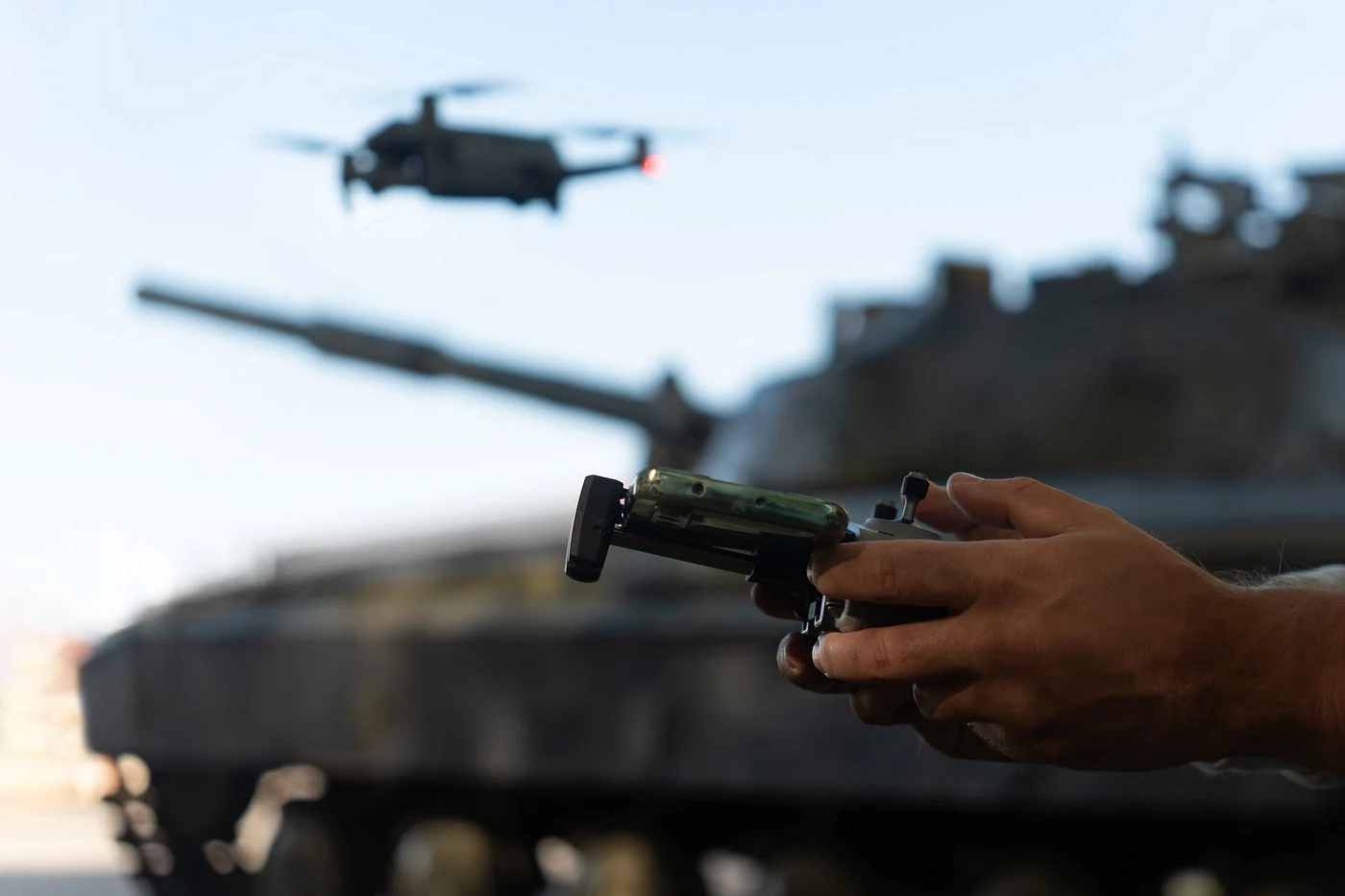
Moreover, overregulation poses significant risks to national security. A centralized drone economy places critical technologies in the hands of a few, creating vulnerabilities. In contrast, a decentralized system enhances resilience by promoting widespread innovation and ownership. A vibrant, decentralized drone ecosystem also acts as a deterrent against potential adversaries, ensuring that the U.S. remains technologically agile and secure.
Restrictive regulations could also have unintended consequences for global collaboration. Drones play a key role in international efforts to respond to natural disasters and conduct humanitarian missions. By limiting access to this technology, the U.S. may undermine its ability to contribute effectively to these initiatives, weakening its leadership on the world stage.
Protecting Innovation and Education
To preserve the future of STEM education and maintain American competitiveness, it is vital to challenge excessive restrictions on drone technology. Citizens, educators, and policymakers must:
- Enhance Drone Literacy: Expand drone education initiatives to prepare a skilled workforce for the UAV industry.
- Support Small Businesses: Advocate for policies that empower entrepreneurs and prevent monopolization of the drone sector.
- Foster Decentralization: Encourage a diverse and inclusive drone economy to ensure equitable access and innovation.
- Resist Overregulation: Demand transparent, balanced legislation that prioritizes innovation and education.
The UFO discourse may be captivating, but it risks distracting from critical issues surrounding drone regulation. The battle for control over UAV technology is about more than just machines in the sky — it’s about safeguarding innovation, education, and economic opportunity. The time to act is now.
By standing together, stakeholders across industries, education, and communities can ensure that drones remain a tool for empowerment rather than a victim of overregulation. The future of STEM education and technological innovation depends on it.
The path forward requires vigilance, collaboration, and a commitment to maintaining an environment where creativity and innovation can thrive. Whether in classrooms, boardrooms, or government offices, the message must be clear: drones are not just tools of the present; they are the foundation for a future defined by progress and opportunity.
Is World Changing ET Technology Hidden In Plain Sight?
Andrew B. Raupp is the Founder / Executive Director @stemdotorg. “Democratizing science, technology, engineering and math (STEM) education through sound policy & practice…Applying STEM to better understand it”
Keywords
First published December 30, 2024. Original publication