The “STEM Expert” Fallacy
A Deeper Dive into the Education Sector’s Talent Deficit
In this essay +
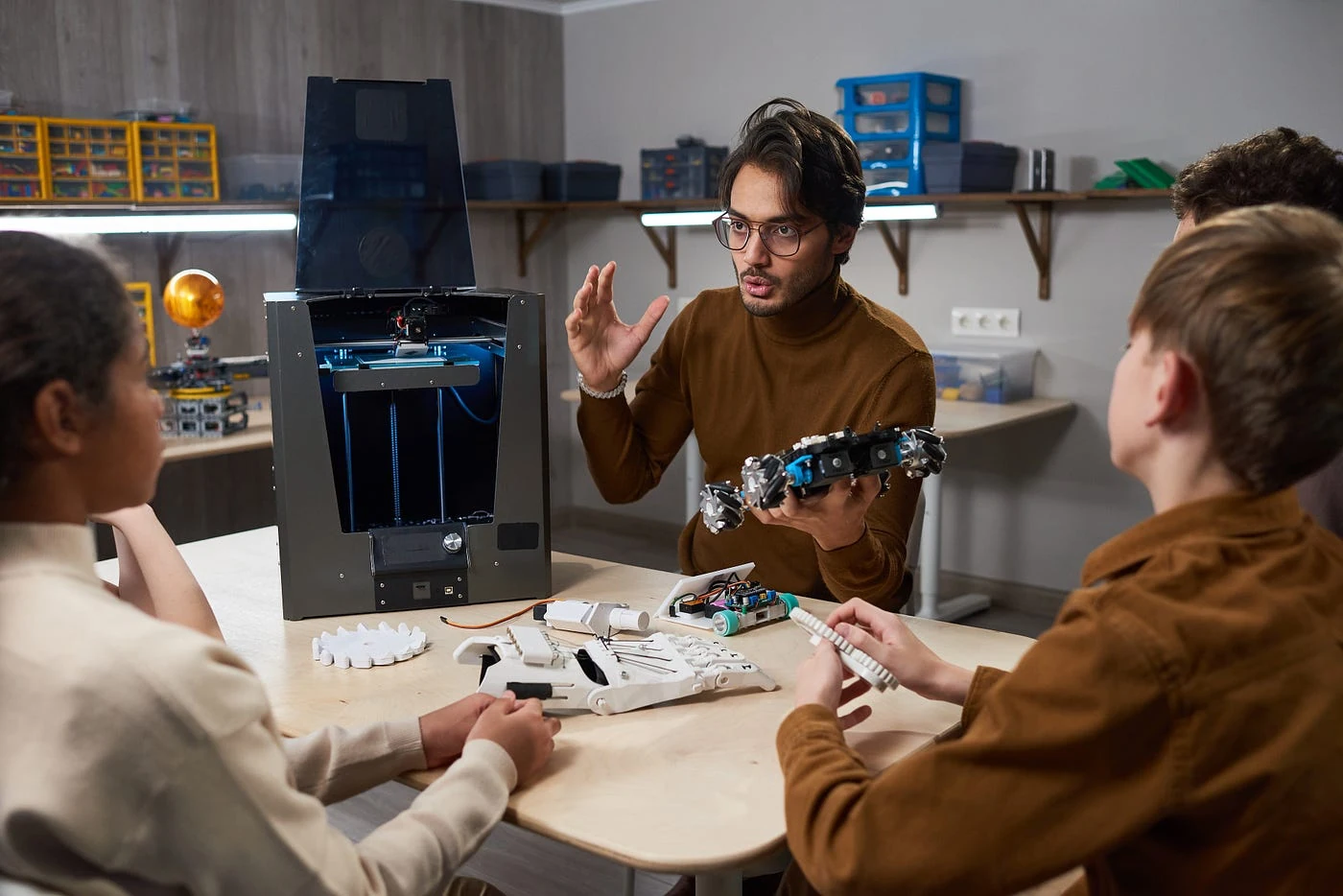
The acronym STEM — representing Science, Technology, Engineering, and Mathematics — is pervasive in contemporary education discourse. However, the rising focus on STEM education is accompanied by a widespread and deeply embedded misconception: the notion that professionals working in STEM fields are inherently STEM education experts. This flawed assumption often neglects the unique pedagogical skills required to teach and foster STEM literacy in students, thus inhibiting the optimal development of STEM competence in our education system.
Understanding STEM Education’s Scions, Offshoots And Nodes
The Misconception of STEM Experts
The belief that a practitioner of a STEM field is inherently proficient in teaching those concepts can be traced back to a fundamental lack of attention associated with the linguistics of “STEM”. The ability to effectively teach, especially complex STEM topics, requires a deep understanding of pedagogical practices, including differentiated instruction, formative assessment, and curriculum development — skills not necessarily possessed by STEM professionals outside of education. Moreover, these professionals often lack insights into the developmental stages of students and may not fully appreciate the different learning styles and pace at which K-12 students absorb and comprehend STEM topics.
STEM Literacy: Focusing on the Adults
For a sustainable future in STEM education, we must shift our focus to educating adults first — particularly those from non-STEM fields who are tasked with teaching K-12 students. STEM literacy is not confined to STEM professions; it should be viewed as a fundamental skill, much like reading or writing. By training adults — teachers, parents, policymakers, and community members — in the basics of STEM education, we equip them with the tools and knowledge to guide the next generation towards scientific and technological proficiency.
Reveling In STEM Education As An Adult Learner
Collaboration between Industry Experts and Educators
A crucial aspect of optimizing STEM education lies in fostering a productive collaboration between STEM industry experts and educators. This partnership combines the strengths of both domains — subject matter expertise from the STEM professionals and pedagogical know-how from educators. Together, they can develop robust, relevant curricula that balance theoretical knowledge and practical application. STEM professionals can offer invaluable insights into the latest developments and real-world applications of their disciplines, ensuring the curriculum remains updated and relevant.

Concurrently, educators can interpret and adapt this information in a manner that aligns with students’ learning styles and developmental stages, ensuring that the subject matter is accessible and engaging. This symbiotic relationship enhances the quality of STEM education, equipping students with the skills and knowledge necessary to thrive in a rapidly evolving technological landscape.
Recoupling Practical Knowledge
Bridging the gap between theoretical curriculum and practical application is an area where adults from diverse industries can significantly contribute. Professionals from different fields can offer real-world insights, helping students understand the relevance of their learning beyond the classroom. This can combat the alienation that often arises from overemphasis on standardized, bias-laden curricula, encouraging students to engage with STEM fields as practical, accessible, and relevant areas of study.
The Exodus from K-12 Education
Alarmingly, the education sector is witnessing a significant attrition of qualified personnel, many of whom are opting to leave K-12 teaching roles for other fields. This trend can be attributed to various factors such as inadequate compensation, lack of professional growth opportunities, and the stress associated with high-stakes testing and rigorous accountability standards. The cumulative effect of these issues is a concerning shortage of skilled and passionate educators, hindering our capacity to promote comprehensive STEM literacy.
Solutions and Recommendations
To reverse this trend, the education sector must prioritize addressing the challenges faced by teachers. These could include developing initiatives for competitive remuneration, providing ongoing professional development opportunities, reducing emphasis on high-stakes testing, and creating supportive work environments. Additionally, collaborations between schools and industry can provide students with practical insights while also helping teachers stay updated with industry trends.
STEMerica: Roaring Into The 2020s
Moreover, STEM teacher training programs must emphasize the intersection of subject matter expertise and pedagogical knowledge. Pre-service and in-service teachers need opportunities to deepen their understanding of both STEM content and effective ways of teaching that content to diverse learners.
Final Thoughts
The misconception that STEM professionals are default STEM education experts is detrimental to our education system’s growth and sustainability. Rectifying this misconception, shifting focus to adult education in STEM, promoting industry collaboration and addressing the reasons causing the exodus of quality talent from the classroom are imperative. It’s time we acknowledge and prioritize these issues, fostering an education system that truly champions STEM literacy for all.

Andrew B. Raupp is the Founder / Executive Director @stemdotorg. “Democratizing science, technology, engineering and math (STEM) education through sound policy & practice…”
Visit our website here: https://www.datadriveninvestor.com
Keywords
First published May 20, 2023. Original publication