
Cancer Faces a Populist Revolt
Viral Information Is Reviving Debate Over the Disease’s Metabolic Foundations
In this essay
- The Soviet Research That Linked Parasitic Metabolism to Cancer
- How the Genetic Mutation Framework Likely Misses the Mark
- The Metabolic Alternative
- Why the Debate Matters
- The Tadpole Experiment and the Limits of Genetic Determinism
- The Return of “Forgotten” Ideas
- Real-World Outcomes of Ivermectin and Mebendazole in Cancer Patients: A Six-Month Observational Analysis 🚨

Author’s Note: Shortly after returning from Istanbul, where I underwent cryoablation for a large tumor on the right side of my thyroid, I experienced an abrupt decline in my physical condition. Fatigue intensified, my weight began dropping rapidly, and painful swelling developed in the lymph nodes of my right groin.
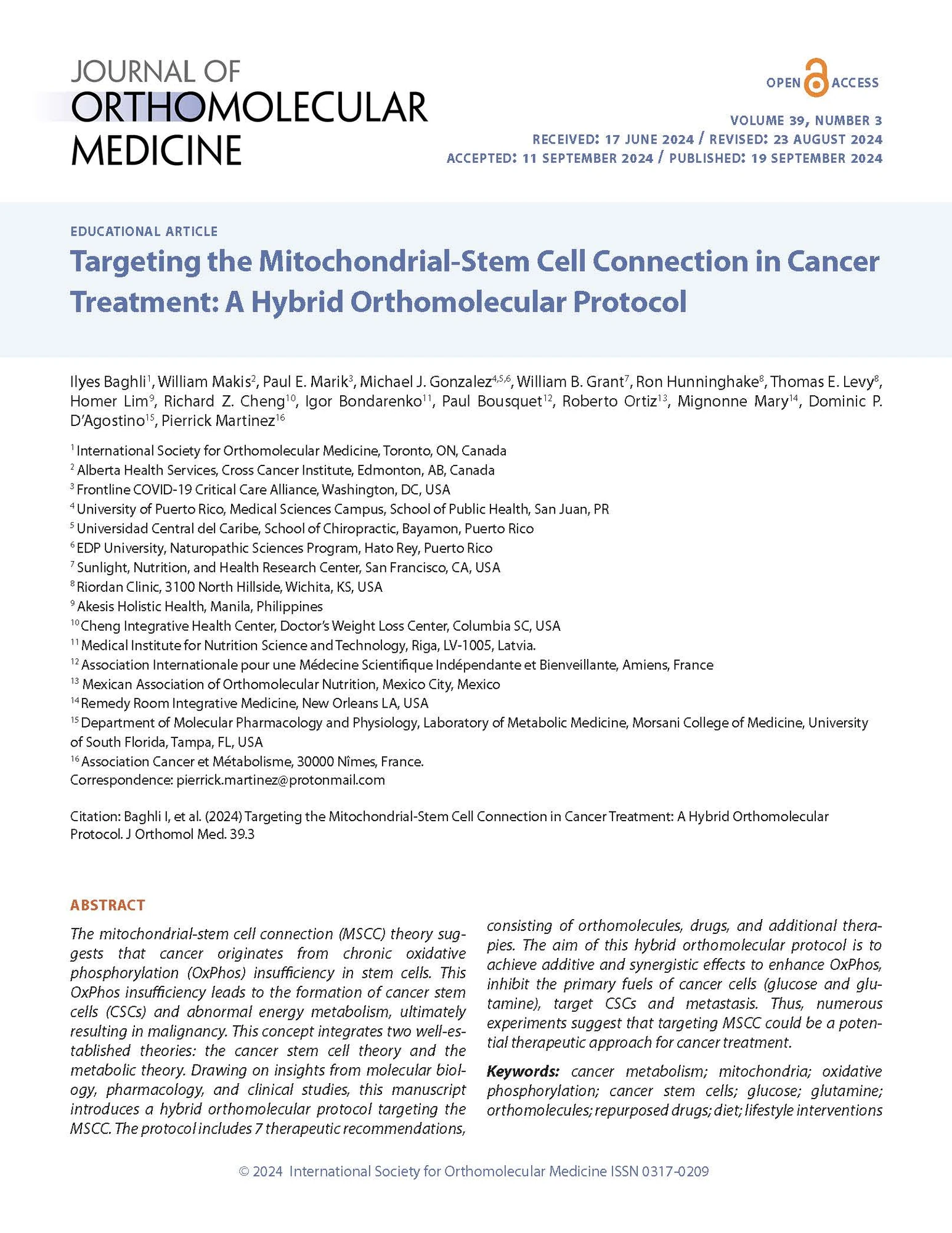
Concerned about the trajectory of these symptoms, I began a metabolic intervention strategy that included therapeutic ketosis along with repurposed antiparasitic medications—specifically ivermectin and fenbendazole. See sample protocol below.
 COVID Intel - by William Makis (McGill Medicine)INTEL on COVID-19, mRNA Vaccines, Turbo Cancer, Cancer Therapy, Ivermectin, Mebendazole, Fenbendazole. Content is for informational purposes only. Entirely donation based. None of the information constitutes medical advice (see your doctor as needed).
Within a matter of weeks, my weight began to recover and the lymphatic symptoms gradually subsided. I share this observation not as a clinical claim or universal prescription but as a personal experience that profoundly shaped my interest in the metabolic dimensions of cancer biology.
For me, the resurfacing of the Soviet cancer document is not merely an archival curiosity.
It touches a deeper question that modern science has yet to fully confront: whether our understanding of cancer has been narrowed by institutional suppression, regulatory gatekeeping, and powerful financial interests—and whether metabolic approaches have been sidelined despite mounting evidence that they deserve far greater scientific scrutiny.
Because sometimes the most important scientific discoveries are not the ones we make. They are the ones we nearly forgot to keep asking about.
In Defiance,
Andrew B. Raupp ✍️
Citizens Rule Book: A Palladium of Liberty (Download) #InfoWars 🇺🇸
The Soviet Research That Linked Parasitic Metabolism to Cancer
The document “Biochemical Resemblance Between Endoparasites and Malignant Tumors” (CIA-RDP80-00809A000600380033-3) was formally declassified and released to the public on September 12, 2011, through the Central Intelligence Agency’s official Freedom of Information Act (FOIA) Electronic Reading Room. Although it remained publicly accessible on the CIA’s government website for more than a decade, the document attracted little public attention until early 2026, when it began circulating widely across social media platforms and rapidly went viral.
DOWNLOAD HIGH-RESOLUTION DOCUMENTS HERE 📑
It summarizes Soviet scientific research from the early 1950s claiming that researchers had discovered a potential therapeutic pathway capable of inhibiting cancer. The document does not read like modern oncology literature. Instead, it describes experiments exploring the biological relationship between parasitic organisms and malignant tumors, suggesting that compounds effective against parasites might also disrupt cancer growth.
One of the compounds mentioned, Myracyl D aka Lucanthone is an alkylated aminoxanthone compound synthesized in 1938 by German chemist H. Mauss during research into treatments for parasitic infections. It was originally developed as an antiparasitic drug for bilharzia (schistosomiasis), a disease caused by parasitic worms that infect the bloodstream and internal organs. During subsequent investigations, researchers observed that the compound appeared to affect not only parasitic organisms but also rapidly proliferating malignant tissues, prompting experimental exploration of its potential activity against certain tumors. These findings suggested a possible biochemical resemblance between endoparasites and malignant cells, raising the hypothesis that compounds capable of disrupting parasite metabolism might also interfere with the metabolic processes that sustain cancer.
At first glance, such claims may sound unusual. But the core premise aligns with one of the most important observations in cancer biology: the Warburg effect, the discovery that cancer cells rely heavily on fermentation of glucose rather than normal mitochondrial respiration for energy. This metabolic abnormality has been recognized since the early twentieth century, yet modern oncology has largely treated it as a secondary feature rather than the central driver of tumor development.

The resurfacing of this Soviet research therefore raises a deeper question—not merely about Cold War science, but about the intellectual direction modern oncology chose to follow.
How the Genetic Mutation Framework Likely Misses the Mark
For the last half century, the dominant explanation for cancer has been the genetic mutation theory, formally known as the Somatic Mutation Theory. According to this framework, cancer arises when a series of mutations accumulate within DNA, disrupting regulatory mechanisms that normally control cell growth. Once these mutations reach a critical threshold, cells divide uncontrollably and form tumors.
This model has shaped billions of dollars in research investment. Entire industries now revolve around sequencing tumor genomes, identifying driver mutations, and designing drugs that target specific genetic pathways. Precision oncology—where treatments are customized based on the unique mutations within a tumor—represents the logical extension of this genetic paradigm.
Yet despite immense financial investment and decades of research, the mutation model has produced relatively limited results (likely by design). While targeted therapies have improved outcomes for certain cancers, the disease remains among the leading causes of death worldwide. Tumors frequently develop resistance to genetic-targeted drugs, mutate further, or bypass blocked pathways through alternative metabolic routes.
In other words, the genetic theory explains part of the phenomenon but appears insufficient to explain the whole.
The Metabolic Alternative
An older and increasingly discussed model views cancer not primarily as a genetic disorder but as a metabolic disease rooted in mitochondrial dysfunction.
In this framework, mutations observed in tumors are often secondary effects rather than primary causes. The deeper problem lies in damaged cellular respiration. When mitochondria fail to produce energy efficiently, cells revert to primitive fermentation pathways that rely heavily on glucose. This metabolic shift enables rapid growth but also makes tumor cells dependent on specific biochemical conditions.
 Target Cancer MetabolismInsights from the Thomas Seyfried Lab of Boston College, including: - New research papers - Layman-friendly translation of research and information - Answering frequently asked questions about cancer metabolism - And much more!
Therapies targeting metabolism—rather than mutations—represent a powerful approach to slowing tumor progression.
Such approaches include:
therapeutic ketogenic diets designed to reduce glucose availability
metabolic drugs that alter mitochondrial activity
compounds capable of disrupting the energy systems of rapidly dividing cells
This is precisely the territory explored by the Soviet researchers referenced in the CIA file triggering backlash.
Why the Debate Matters
The question of whether cancer is primarily genetic or metabolic is not just academic. It carries enormous economic implications.
Modern oncology represents one of the largest sectors of the pharmaceutical industry. Many cancer therapies cost tens or even hundreds of thousands of dollars per patient per year. The development of new genetic-targeted drugs is a multi-billion-dollar enterprise involving global pharmaceutical corporations, regulatory agencies, research universities, and hospital systems.
By contrast, many metabolic interventions involve existing compounds or inexpensive therapeutic strategies. If metabolic approaches were widely recognized as central to cancer treatment, it could disrupt entire segments of the pharmaceutical marketplace.
That economic reality does not prove that all genetic theories related to cancer are wrong. But it does help explain why alternative frameworks struggle to receive institutional attention.
Scientific paradigms rarely change quickly when vast financial ecosystems depend on them.
The Tadpole Experiment and the Limits of Genetic Determinism
One of the most striking challenges to strict genetic determinism in cancer biology comes from developmental experiments conducted in amphibians.
In controlled laboratory settings, scientists introduced cancer-associated genetic material into tadpoles, organisms whose developmental systems differ significantly from mammals but share many fundamental biological mechanisms. According to reports frequently cited in metabolic oncology discussions, the introduction of these cancer-related genes did not produce malignant tumors in the tadpoles.
The finding suggests that genetic mutations alone may not be sufficient to trigger cancer if the broader cellular environment remains healthy. In other words, genes associated with cancer may require a specific metabolic context in order to produce malignancy.
This observation aligns with the metabolic model: cellular energy systems, mitochondrial integrity, and environmental factors may determine whether mutations actually manifest as cancer.
Genes may load the gun, but metabolism may pull the trigger.
The Return of “Forgotten” Ideas
Scientific history is filled with examples of ideas that were dismissed, ignored, or overshadowed by dominant paradigms—only to return decades later when renewed interest and evidence emerges.
The metabolic theory of cancer is one such idea.
It predates modern genetics, yet contemporary research into mitochondrial biology, metabolic signaling, and tumor microenvironments has revived interest in the concept. Even researchers who support the mutation model increasingly acknowledge that metabolism plays a central role in cancer progression.
The debate is therefore shifting. Instead of choosing between genetic or metabolic explanations, many scientists now recognize that cancer likely involves both interacting systems.
Still, the balance of emphasis matters. If metabolism sits at the root of tumor biology, therapies targeting energy systems may prove as important—or more important—than drugs designed to block specific mutations.
Citizens Rule Book: A Palladium of Liberty (Hardcopies) 🇺🇸
Real-World Outcomes of Ivermectin and Mebendazole in Cancer Patients: A Six-Month Observational Analysis 🚨
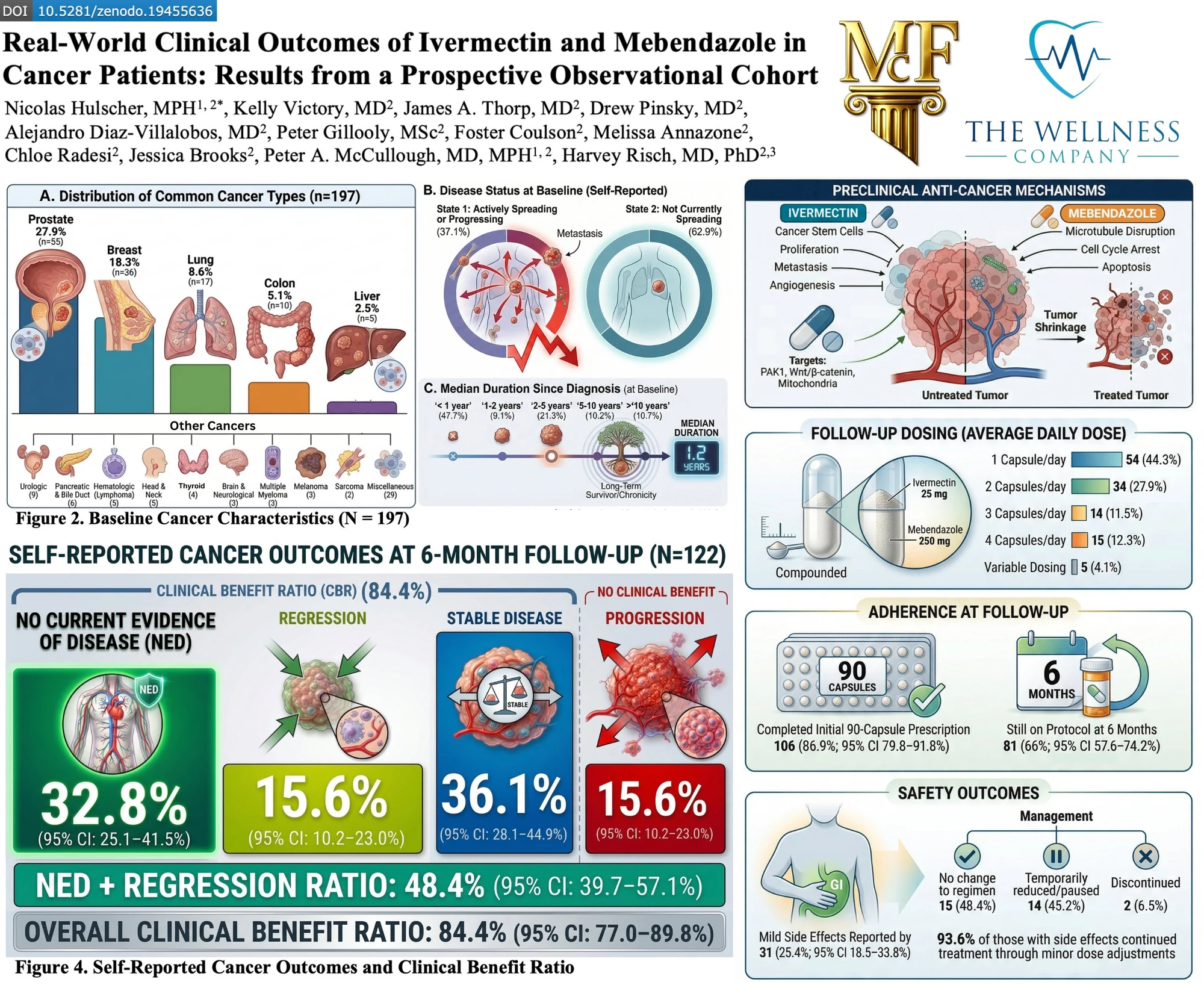
Update (04/18/2026): This report describes a real-world, prospective observational analysis of 197 cancer patients—122 of whom completed a six-month follow-up—evaluating a regimen of Ivermectin (25 mg) and Mebendazole (250 mg), typically taken as one to two capsules daily. The cohort included a range of cancer types, with many patients having previously undergone chemotherapy, radiation, or surgery, and 37.1% reporting actively progressing disease at baseline. After approximately six months, 84.4% of participants reported a clinical benefit, including 32.8% reporting no evidence of disease, 15.6% reporting tumor regression, and 36.1% reporting stable disease. Treatment adherence was high, with 86.9% completing the protocol and 66.4% remaining on therapy at the six-month mark. The regimen was generally well tolerated, with 25.4% of patients reporting side effects, most commonly mild gastrointestinal symptoms, and over 93% continuing treatment despite these effects. Many patients used the regimen alongside other therapies, including chemotherapy, radiation, surgery, supplements, and dietary modifications. The findings are presented as a large real-world clinical signal supporting further investigation of ivermectin and mebendazole as adjunctive cancer therapies, with the manuscript currently available as a preprint while undergoing peer review.
Follow @NicHulscher on X or Substack 📑
Keywords
First published March 16, 2026. Originally published in Liberty or Deathwire.